2026-08-17 · Robert Ellis
Flat Roof Insulation Issues Common in Southeast Texas Homes
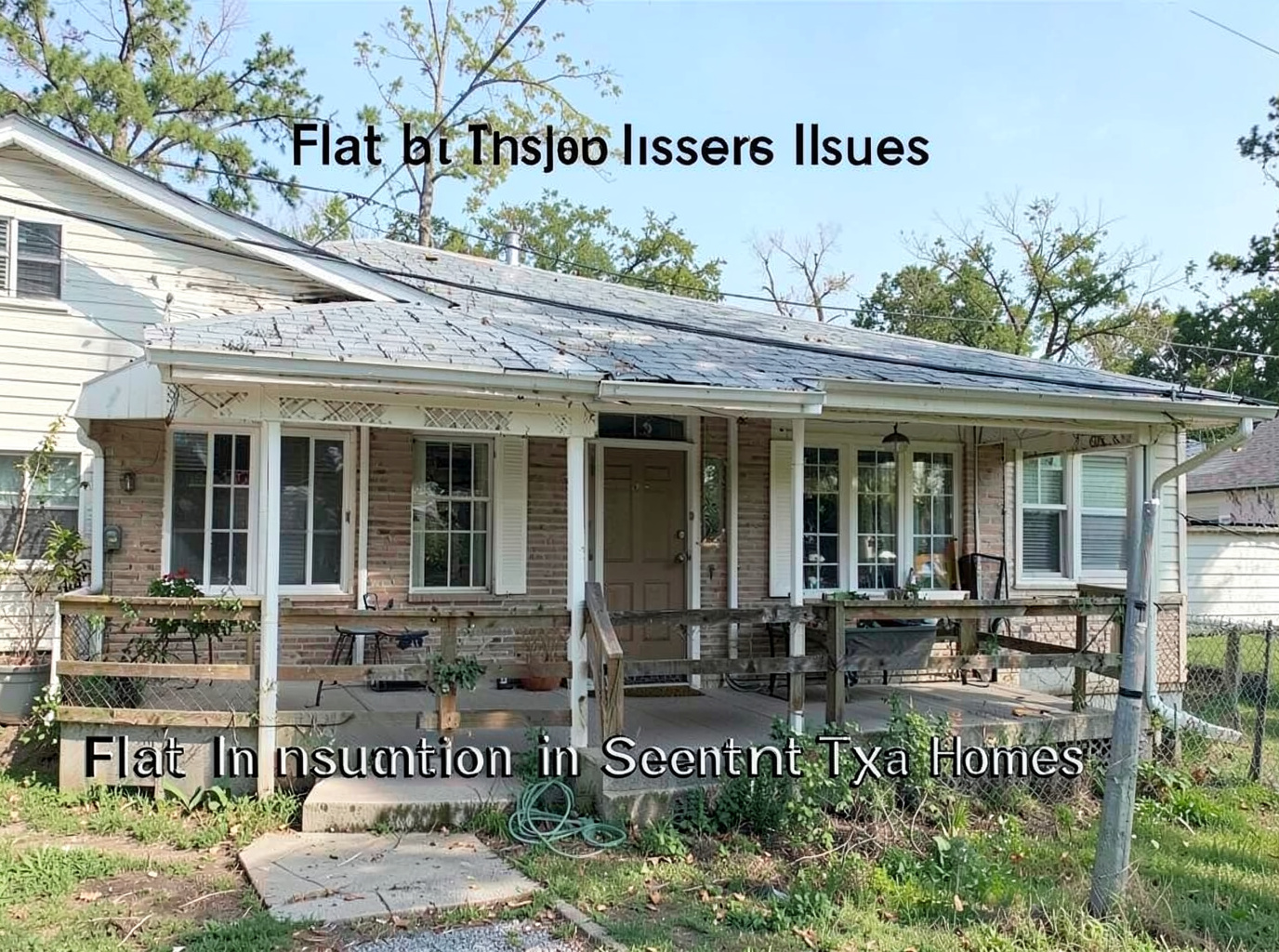
Flat roof insulation in Southeast Texas homes usually fails in 8-12 years from constant humidity, heat, and storm cycles that trap moisture and rot the layers underneath. This shows up first as soft spots or rising energy bills in places like Old Town and the West End. The hot humid subtropical climate with frequent thunderstorms and hurricane risk speeds the process because water sits on flat surfaces and works its way into the insulation.
Why does humidity ruin flat roof insulation so quickly?
Beaumont sits in a hot humid subtropical climate where daily moisture loads stay high. Thunderstorms drop heavy rain that pools and pushes water under seams. Over time the insulation absorbs that water, loses R-value, and starts to sag. Older homes in Downtown Beaumont and Calder Highlands often have built-up systems that were never meant for this level of humidity. Once the insulation gets wet it also feeds mold growth that can reach the deck. Skipping the big-box sealant works better because those products trap more moisture instead of letting the roof breathe. Proper ventilation and tapered insulation keep water moving toward drains before it soaks in.
How do I spot insulation failure on my flat roof?
Walk the roof after a storm and look for spongy areas underfoot or blisters that feel cool to the touch. Inside the house, check for ceiling stains or higher cooling costs during summer. In South Park and the West End many homes show these signs within ten years because original insulation was not rated for hurricane wind-driven rain. Check around HVAC curbs and skylights first since those are common entry points. If the insulation feels wet or smells musty, the damage has already moved past the surface layer.
What does fixing insulation issues cost?
Minor wet-spot repairs run $400-$900 per location when caught early. Full insulation replacement on a typical 1,200 square foot flat roof costs $2,800-$5,500 depending on access and whether the deck needs work. Adding tapered insulation and new coating brings the job to $6,000-$9,000. These numbers cover labor and materials in Jefferson County and assume no major deck rot. Prices rise when hurricane damage requires full tear-off and new underlayment.
When should I try DIY and when do I call a pro?
You can handle small surface checks and clear obvious debris yourself if the roof is low and you stay off steep edges. Replacing a small section of wet insulation stays DIY only when the damage stays under four square feet and you already own the right safety gear. Stop at any point that involves cutting into the deck, working near electrical lines, or dealing with permits. Once water reaches the structure or the roof shows widespread blistering, call for flat roof leak repair to avoid turning a $600 fix into a full replacement. Hurricane and storm flat roof repair crews know the local wind-load rules that DIY work often misses.
If you see these signs on your Beaumont roof, give us a call at 6550 Westwood Blvd.